Singapore's Public Transport Evolution: MRT and Bus Network Enhancements for 2024 and Beyond
An overview of recent and upcoming improvements to Singapore's MRT and bus networks, including new lines, station upgrades, and digital payment enhancements aimed at improving daily commutes for residents and visitors.
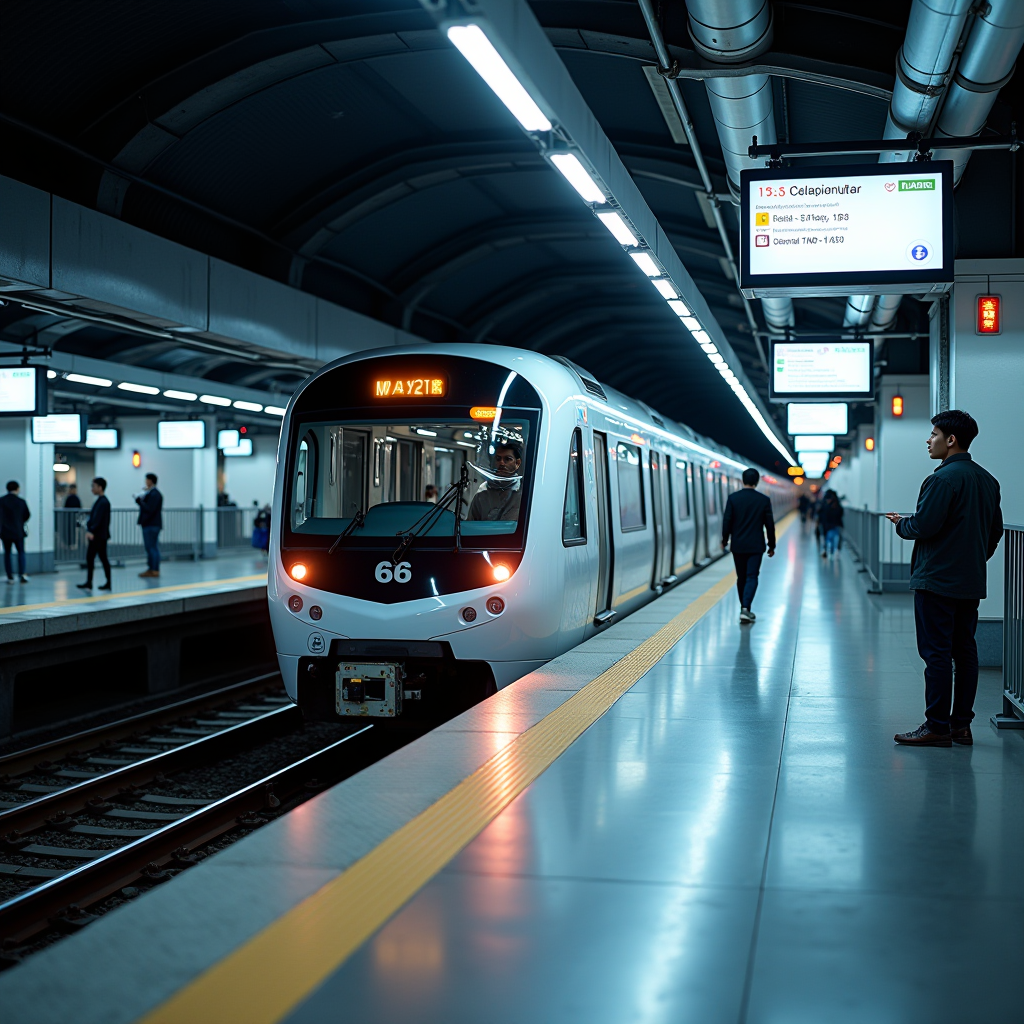
Singapore's public transport system continues to evolve with significant infrastructure investments and technological upgrades designed to enhance connectivity, reduce travel times, and improve the overall commuting experience. As the city-state's population grows and urban development expands into new territories, the Land Transport Authority (LTA) has outlined comprehensive plans to modernize both the Mass Rapid Transit (MRT) network and bus services through 2024 and the coming years.
These improvements reflect Singapore's commitment to maintaining its position as a global leader in urban mobility while addressing the practical needs of millions of daily commuters. From new rail lines connecting previously underserved neighborhoods to digital payment innovations that streamline fare collection, the changes aim to make public transport more accessible, efficient, and user-friendly for both residents and visitors.
Expansion of the MRT Network: New Lines and Stations
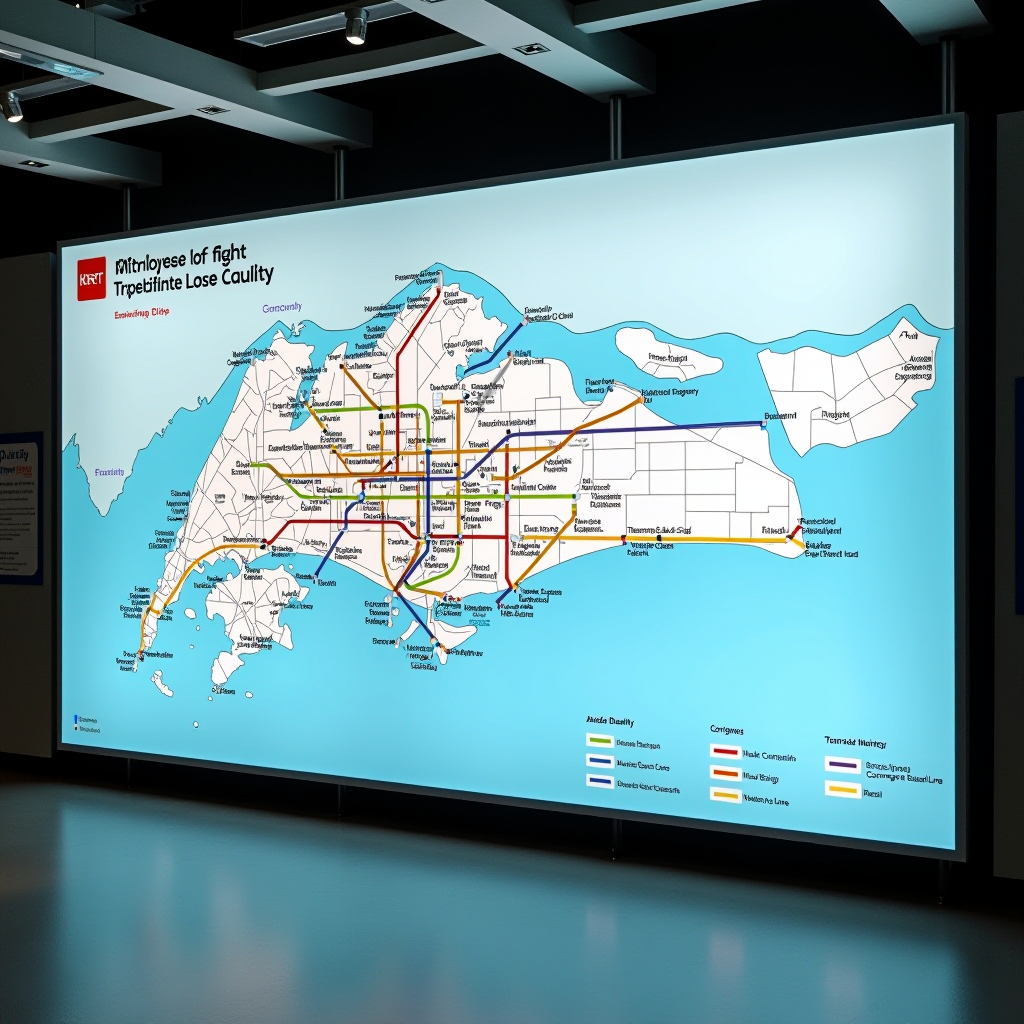
The most visible transformation in Singapore's public transport landscape involves the ongoing expansion of the MRT network. The Thomson-East Coast Line (TEL), one of the newest additions to the system, has been progressively opening in stages, with recent phases bringing rail connectivity to areas such as Marine Parade, Tanjong Rhu, and Gardens by the Bay. When fully completed, the TEL will span 43 kilometers with 32 stations, creating crucial links between the northern, central, and eastern regions of Singapore.
The Cross Island Line (CRL), currently under construction, represents another major infrastructure project that will eventually become Singapore's longest fully underground MRT line. Stretching approximately 50 kilometers with more than 30 stations, the CRL will connect residential areas in the west and east, passing through the central region and providing alternative routes that reduce congestion on existing lines. The first phase is expected to open in the early 2030s, with subsequent phases following in stages.
Beyond entirely new lines, existing stations are receiving significant upgrades to accommodate growing passenger volumes and improve accessibility. Several older stations along the North-South and East-West Lines have undergone or are scheduled for modernization projects that include expanded platforms, additional exits, improved wayfinding signage, and enhanced facilities for passengers with mobility challenges. These upgrades ensure that the aging infrastructure keeps pace with contemporary standards and passenger expectations.
The Jurong Region Line (JRL), another future addition to the network, will serve the western part of Singapore with 24 stations across approximately 24 kilometers. This line will provide direct connections to major employment hubs, residential estates, and educational institutions in Jurong, reducing reliance on bus feeders and creating more efficient travel options for residents in the west. Construction is progressing with targeted completion in phases beginning in the late 2020s.
Bus Network Enhancements and Service Improvements
While MRT expansion captures significant attention, Singapore's bus network remains a critical component of the public transport ecosystem, particularly for first-mile and last-mile connectivity. Recent years have seen substantial improvements to bus services, including route optimization, increased frequency during peak hours, and the introduction of new services to support growing residential areas and business districts.
The Bus Service Enhancement Programme (BSEP), an ongoing initiative by the LTA, focuses on improving service reliability and reducing waiting times across the network. This includes deploying additional buses during peak periods, adjusting routes based on passenger demand data, and introducing express services that skip certain stops to reduce travel time for longer-distance commuters. These changes are informed by comprehensive ridership analysis and feedback from the public.
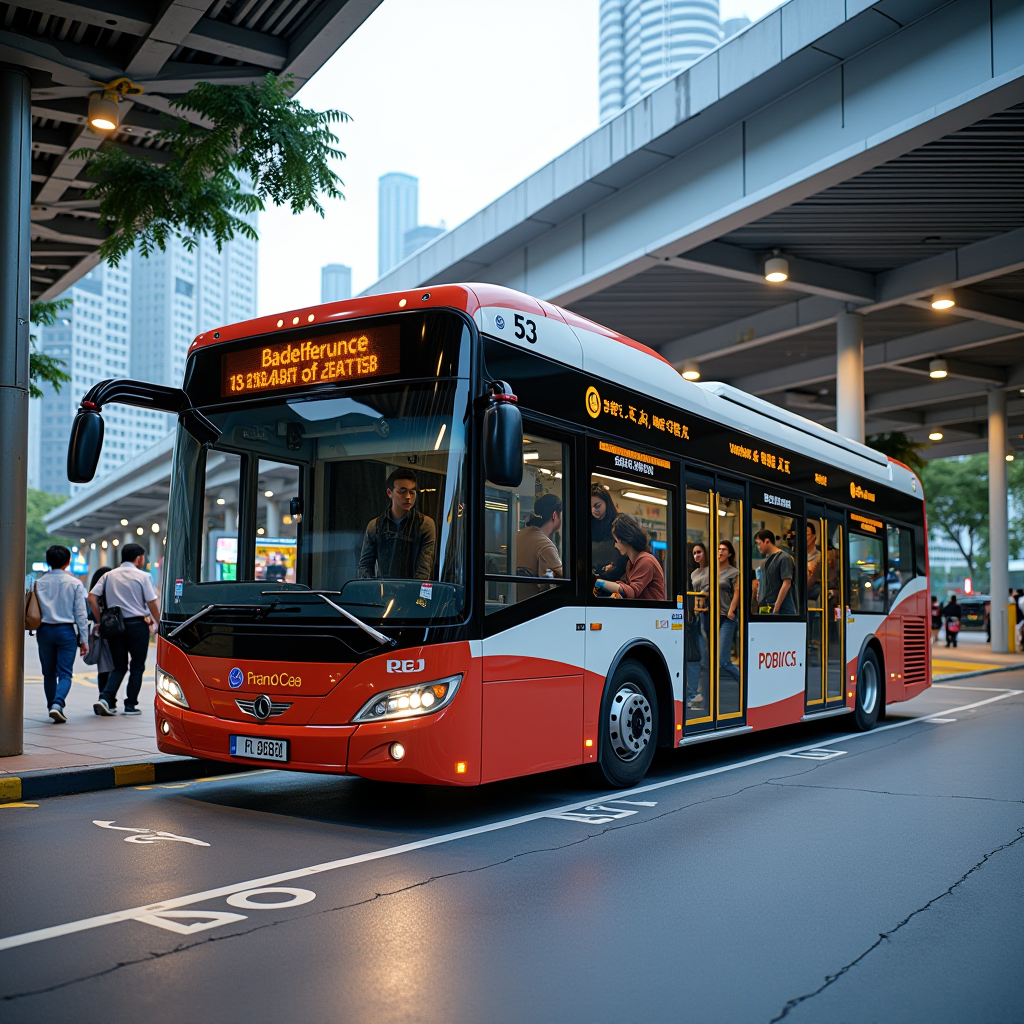
Bus interchanges and terminals have also undergone modernization to create more comfortable waiting environments. Upgraded facilities include improved seating, better lighting, enhanced weather protection, and clearer signage systems that help passengers navigate complex interchange layouts. Several interchanges now feature retail amenities and food options, transforming them into community hubs rather than purely functional transit points.
The introduction of on-demand bus services in select residential areas represents an innovative approach to addressing connectivity gaps. These services, which operate on flexible routes based on passenger requests made through mobile applications, provide convenient options for residents in areas where fixed-route services may be less efficient. This model complements the traditional bus network and offers a glimpse into the future of responsive public transport.
Digital Payment Systems and Fare Innovations
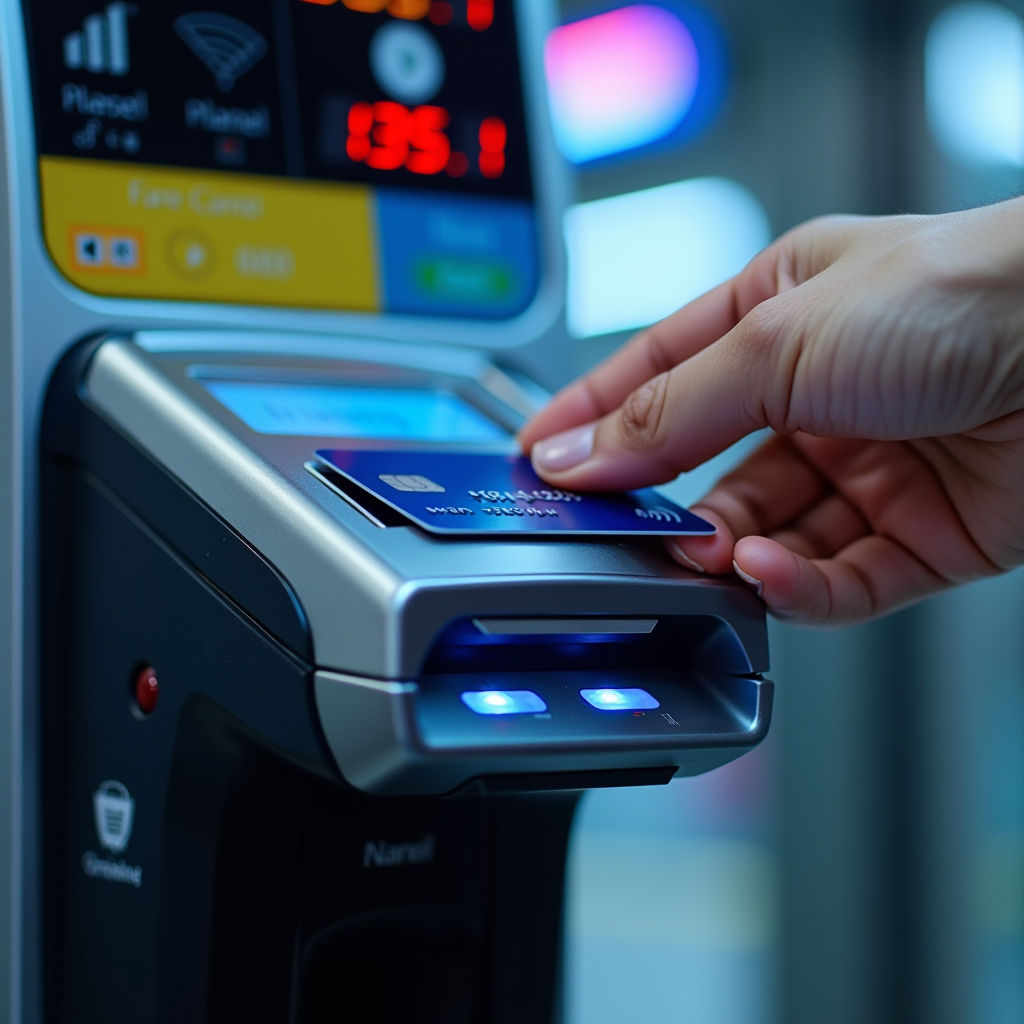
The evolution of fare payment systems has significantly enhanced the convenience of using public transport in Singapore. The widespread adoption of SimplyGo, which allows commuters to use their contactless bank cards and mobile wallets for fare payment without needing a stored-value card, has simplified the payment process for both regular users and occasional travelers. This system eliminates the need to queue for card top-ups and provides automatic fare calculation based on actual journeys taken.
For tourists and visitors, the ability to use international contactless payment cards means they can access Singapore's public transport network immediately upon arrival without needing to purchase or register a local transit card. This seamless integration with global payment standards makes Singapore's system more accessible to international travelers and reinforces the city's reputation for technological sophistication.
The LTA has also introduced fare capping mechanisms that protect commuters from excessive charges during periods of heavy travel. Under this system, once a passenger reaches a certain spending threshold within a month, subsequent trips are charged at reduced rates or become free, providing financial relief for frequent users. This approach balances the need for sustainable fare revenue with considerations of affordability for daily commuters.
Mobile applications have become essential tools for navigating Singapore's public transport system. Official apps provide real-time arrival information, journey planning with multiple route options, service disruption alerts, and fare calculators. These digital resources empower passengers to make informed decisions about their travel, avoid delays, and optimize their routes based on current conditions. The integration of these features into a single platform reflects Singapore's broader smart nation initiatives.
Accessibility and Inclusive Design Improvements
Ensuring that public transport is accessible to all users, regardless of physical ability, age, or other factors, has been a priority in recent infrastructure upgrades. New and renovated MRT stations feature barrier-free access with lifts connecting all levels, tactile guidance systems for visually impaired passengers, and wider gates to accommodate wheelchairs and mobility devices. Audio announcements and visual displays work in tandem to provide information through multiple sensory channels.
Buses have been progressively upgraded with low-floor designs that eliminate steps at entrances, making boarding easier for elderly passengers, parents with strollers, and individuals using wheelchairs. Designated priority seats near the front of buses are clearly marked, and drivers receive training on assisting passengers with special needs. These measures create a more inclusive environment that recognizes the diverse mobility requirements of Singapore's population.
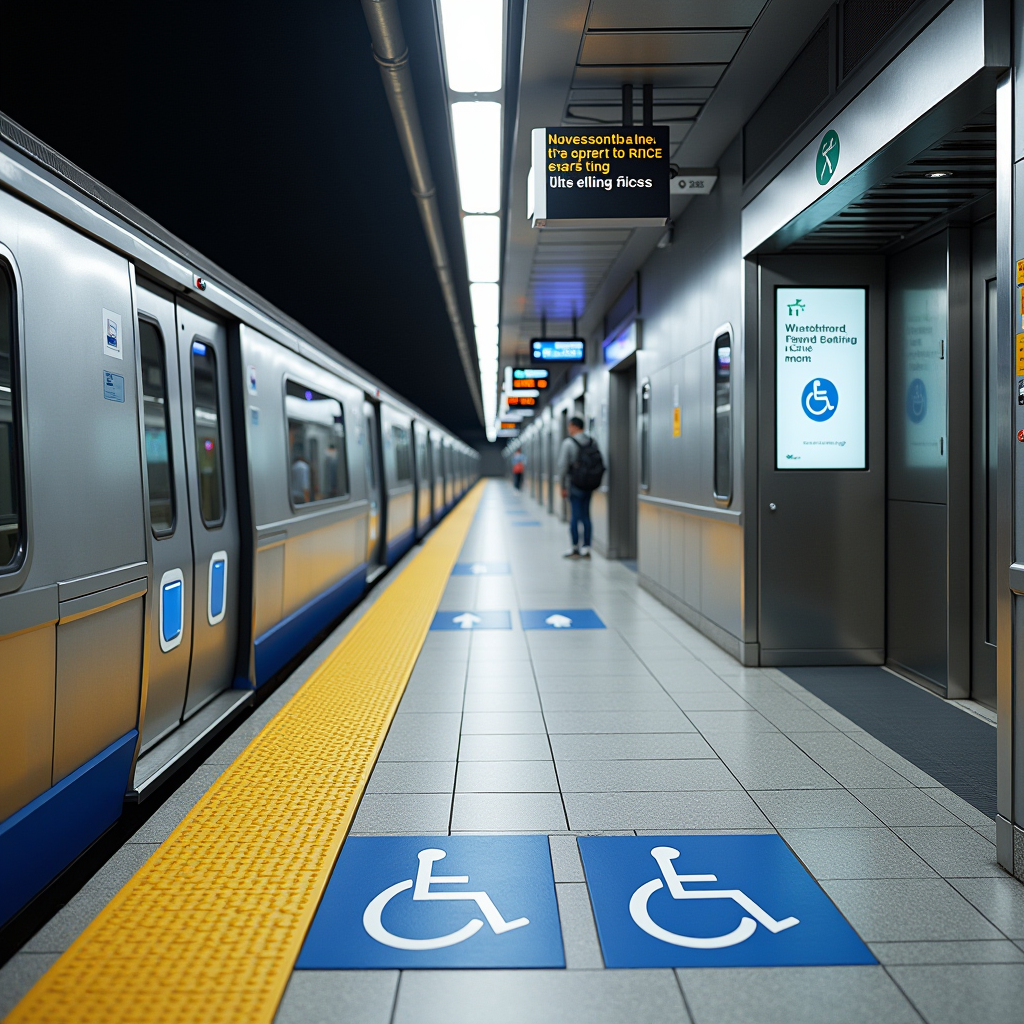
Station layouts have been designed with intuitive wayfinding in mind, using consistent color coding, clear directional signage, and logical spatial organization to help passengers navigate complex interchange stations. Multilingual signage in English, Chinese, Malay, and Tamil ensures that information is accessible to Singapore's diverse linguistic communities. Digital displays provide real-time updates in multiple languages, further enhancing comprehension for all users.
The introduction of companion cards for caregivers accompanying persons with disabilities demonstrates a recognition that accessibility extends beyond physical infrastructure to include supportive policies. These cards allow caregivers to travel free when accompanying eligible individuals, reducing the financial burden of necessary assistance and encouraging greater independence for people with disabilities who wish to use public transport.
Sustainability Initiatives and Environmental Considerations
Singapore's public transport improvements are closely aligned with broader environmental sustainability goals. The expansion of the rail network reduces reliance on private vehicles, thereby decreasing carbon emissions and traffic congestion. Electric and hybrid buses are being progressively introduced into the fleet, with plans to transition the entire bus network to cleaner energy sources in the coming decades. These vehicles produce fewer emissions and operate more quietly, contributing to improved air quality and reduced noise pollution in residential areas.
Energy-efficient technologies have been integrated into new and upgraded stations, including LED lighting systems, regenerative braking in trains that feeds energy back into the power grid, and solar panels installed on station roofs and depot facilities. These measures reduce the environmental footprint of the transport network while also lowering operational costs over the long term. The LTA has committed to achieving net-zero emissions for the public transport sector by 2050, with interim targets guiding incremental progress.
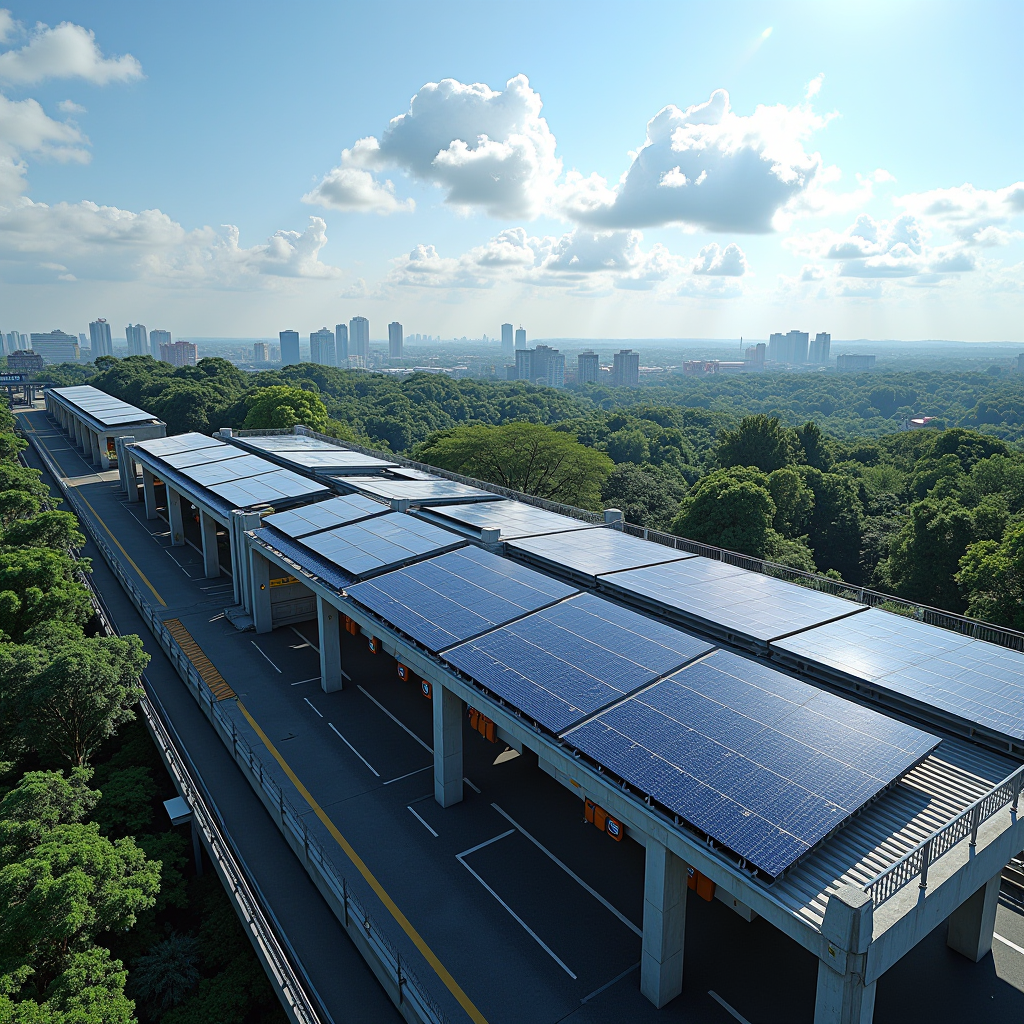
Green building standards have been applied to the design and construction of new transport infrastructure, incorporating features such as natural ventilation, rainwater harvesting systems, and the use of sustainable building materials. Landscaping around stations and along rail corridors includes native plant species that require minimal maintenance and support local biodiversity. These design choices reflect an understanding that transport infrastructure exists within broader ecological systems and should minimize negative environmental impacts.
Public education campaigns encourage commuters to adopt sustainable travel behaviors, such as choosing public transport over private vehicles, combining trips to reduce overall travel, and using active mobility options like walking or cycling for short distances. The integration of cycling paths and bicycle parking facilities at MRT stations and bus interchanges supports multimodal journeys that further reduce carbon footprints. These initiatives position public transport as a cornerstone of Singapore's sustainable urban development strategy.
Looking Ahead: The Future of Public Transport in Singapore
The ongoing enhancements to Singapore's MRT and bus networks represent more than incremental improvements; they reflect a comprehensive vision for urban mobility that prioritizes accessibility, efficiency, sustainability, and user experience. As new lines open and existing infrastructure is modernized, the public transport system becomes increasingly capable of meeting the diverse needs of a growing and evolving population.
Future developments will likely incorporate emerging technologies such as autonomous vehicles, artificial intelligence for predictive maintenance and service optimization, and enhanced data analytics to better understand and respond to passenger behavior patterns. The integration of public transport with other mobility services, including ride-sharing and micro-mobility options, will create a seamless ecosystem that offers flexible, convenient travel choices for all users.
For residents and visitors alike, these improvements translate into tangible benefits: shorter travel times, more reliable services, greater comfort, and easier access to destinations across the island. The commitment to continuous enhancement ensures that Singapore's public transport system remains a model for other cities worldwide, demonstrating how thoughtful planning, sustained investment, and technological innovation can create world-class urban mobility infrastructure.
As Singapore continues to develop and densify, the role of public transport in shaping urban life will only grow more significant. The investments being made today lay the foundation for a future where efficient, sustainable, and inclusive mobility is not just an aspiration but a lived reality for everyone who calls Singapore home or visits this dynamic city-state.